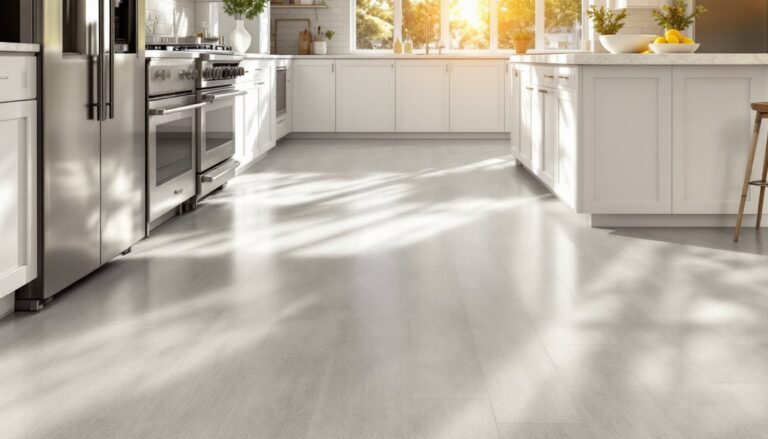
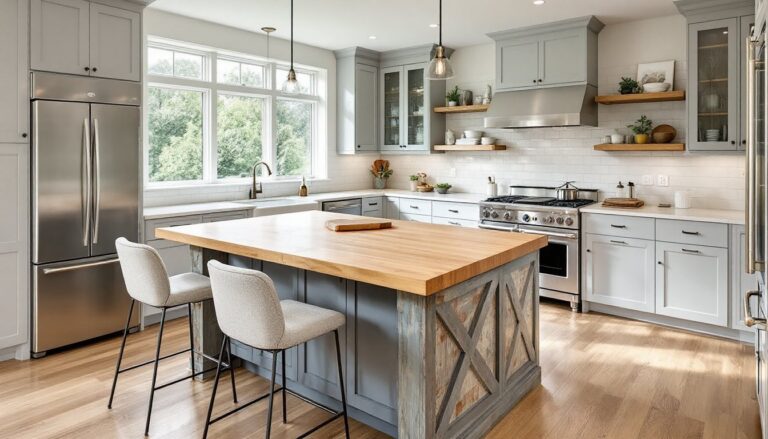
Your kitchen island is real estate that deserves the right surface. The countertop you choose sets the tone for food prep, entertaining, and everyday function. Whether you’re renovating an existing island or building one from scratch, the material, color, and finish matter, not just for looks, but for durability and maintenance. Here’s what’s working in modern kitchens right now, plus what to consider before you commit to a surface that’ll need to handle spills, heat, and actual cooking for the next decade or more.
Table of Contents
ToggleKey Takeaways
- Island countertop ideas range from durable granite and engineered quartz ($50–$100 per linear foot) to warm butcher block ($35–$60 per linear foot), each with distinct durability and maintenance requirements.
- Engineered quartz is gaining popularity as a low-maintenance alternative to granite because it’s nonporous, stain-resistant, and requires no sealing, though it needs trivets for hot cookware protection.
- Choose neutral mid-tone colors (grays, taupes, warm whites) for island countertops to balance maintenance visibility and long-term satisfaction while complementing any kitchen style.
- Maximize island functionality by planning for a 12–15 inch seating overhang, deciding between undermount and drop-in sinks, and budgeting $500–$1,500 for proper structural support on heavier materials.
- Waterfall edges and modern minimalist designs with sleek finishes enhance contemporary kitchens, while butcher block and natural stone appeal to those prioritizing traditional warmth and character.
- Lighting proximity and appliance placement—such as induction cooktops with downdraft ventilation—significantly impact both the aesthetic appeal and cooking capability of your kitchen island.
Durable Material Choices for Island Countertops
An island countertop needs to be tougher than standard counters because it’s a workstation in the round. People approach it from all sides, set down hot pans, spill juice, and lean their weight on corners. Pick the wrong material and you’ll be repairing or replacing it in five years.
Granite and Engineered Stone Options
Granite remains the workhorse of island countertops. It’s heat-resistant, scratch-resistant, and durable enough to handle a rolling pin, a hot cast iron skillet, or a dropped knife. Real granite slabs run $60–$100 per linear foot installed, depending on your region and the stone’s rarity. Expect to budget $2,500–$5,000 for a typical island surface with sink and prep space. You’ll need periodic sealing (every 1–3 years) to prevent staining, but this is straightforward maintenance.
Engineered stone, also called quartz, is the rising star. Brands like Caesarstone and MSI quartz mimic granite’s look with engineered quartz particles bound in resin. They’re nonporous, so they don’t stain and require no sealing. Price range is similar to granite, $50–$90 per linear foot, but warranty coverage is often longer (10+ years vs. the “no warranty” situation with natural stone). The tradeoff: engineered stone isn’t as heat-resistant as granite. Always use a trivet or hot pad: direct heat from a 400°F pan can discolor or damage the surface.
For those exploring visual alternatives, butcher block and wood options showcase warmth that stone can’t match, though they require more active care.
Butcher Block and Wood Alternatives
Butcher block brings warmth and a lived-in aesthetic that granite can’t replicate. Maple, walnut, and cherry are popular choices. The surface ages beautifully, scratches and marks become patina rather than damage. Cost is lower than stone: $35–$60 per linear foot installed.
The catch: wood on an island takes real maintenance. You’ll need to oil it every 1–3 months with food-grade mineral oil, and it can’t handle constant moisture, hot pans, or acidic spills without protection. It’s a commitment to upkeep, but if you cook frequently and appreciate a traditional, natural look, it’s worth it. Don’t use it in a high-moisture kitchen or if your island will be a casual family snack bar where spills happen.
Alternatives like live-edge wood or reclaimed barn wood cost more ($80–$150 per linear foot) but offer one-of-a-kind character. These need the same sealing and oil routine as standard butcher block, plus careful attention to stability (wood moves with humidity and temperature, so proper acclimation matters).
Design Styles and Aesthetic Approaches
What your countertop looks like influences how the rest of your kitchen feels. The material, color, and edge profile set a visual anchor.
Modern Minimalist Countertop Designs
Minimal design favors clean lines, neutral tones, and understated finishes. Engineered quartz in white, light gray, or soft beige works beautifully here, it’s sleek, the surface is seamless if you go with a waterfall edge down the side of the island, and there’s no visual noise. Flat or beveled edges keep things simple: avoid decorative edge profiles like ogee or bullnose if you’re after true minimalism.
Polished finishes amplify the modern look, reflecting light and creating that high-end, contemporary feel. Matte or honed finishes are equally minimal but feel warmer and hide fingerprints better if your island is in a high-traffic area. Paired with white or matte black cabinetry and stainless steel bar stools, a neutral countertop becomes the quiet backdrop that lets the kitchen’s function shine.
For a more textured approach, kitchen design ideas explore how subtle patterns and finishes create depth without breaking minimalist principles. A matte granite with uniform flecking or a concrete-look quartz can add visual interest while staying restrained.
Color and Finish Combinations
Color choice is about more than preference, it’s about maintenance visibility and long-term satisfaction. Dark countertops (charcoal, espresso, black) show water spots and fingerprints immediately but hide crumbs and food splatter. Light countertops (white, cream, pale gray) do the opposite: they’re forgiving with crumbs but flagrant with any spill.
Mid-tone grays, taupes, and warm whites are the practical middle ground. They hide small messes while staying neutral enough to pair with any cabinetry color. If you’re choosing between finishes, remember that polished surfaces are showier but higher-maintenance (they require frequent wiping to avoid streaks). Matte and honed finishes are everyday-friendly and age gracefully.
Consider your island’s proximity to natural light. A north-facing island in a kitchen with limited windows might benefit from a lighter, reflective surface to brighten the space. A south-facing island can handle darker, warmer tones without feeling closed-in.
Pattern complexity also affects perception of cleanliness and style. Solid colors feel modern and clean: heavily veined granite or patterned quartz feel traditional or eclectic. There’s no wrong choice, but match it to your kitchen’s overall personality and cabinetry. If your kitchen leans transitional (half modern, half traditional), a subtly veined countertop bridges both worlds better than a dramatic slab.
Edge profiles deserve mention here. A waterfall edge (countertop material wrapping down the island’s side) is trending and works with almost any material, creating a unified, sculptural look. It’s more expensive and requires precision fabrication, but it’s visually stunning. Straight edges are budget-friendly and timeless.
Functional Features to Maximize Island Use
The best island countertop serves your actual cooking and living habits, not just your design Pinterest board.
If you’re planning a sink in the island, account for undermount installation (sinks set below the countertop surface) versus drop-in (rim sits on top). Undermount looks cleaner and is easier to wipe debris into the sink, but it requires sturdy support underneath and precise edge banding on stone or quartz. Drop-in is simpler to retrofit into an existing island and cheaper to install. With either style, ensure your plumbing is stubbed out before countertop fabrication, rework later gets expensive fast.
Seating overhang needs clearance. If you’re adding bar stools, the countertop should overhang the island base by 12–15 inches. Your fabricator will handle this, but confirm the dimension during planning. Standard barstool knee height is 24–26 inches, so if your island is 36 inches tall (standard), you’ll have about 10–12 inches of legroom, tight but workable for casual seating.
Appliance placement changes functionality. An induction cooktop or gas range built into the island requires ventilation (either a downdraft system or an overhead hood). This adds cost and complexity but transforms the island into a true cooking station. Without cooking capability, the island becomes primarily a prep and serving surface, equally useful, but a different role.
Storage underneath the countertop, drawers, shelves, or open cubbies, keeps frequently used items accessible. Consider what you’ll actually store and ensure your cabinet design includes practical hardware. Soft-close drawer slides cost more but last longer and feel nicer in daily use.
Budget for proper support. If your island is deeper than 24 inches or your countertop material is heavy (natural stone), you may need reinforced joists or additional support legs. Your builder or fabricator will spec this out, but don’t be surprised if structural support adds $500–$1,500 to the project. It’s not wasted money, it’s insurance against a sagging, cracked countertop down the line.
For broader home design inspiration, modern home design resources showcase how countertop choices integrate with overall kitchen and living spaces, helping you envision your island in context.