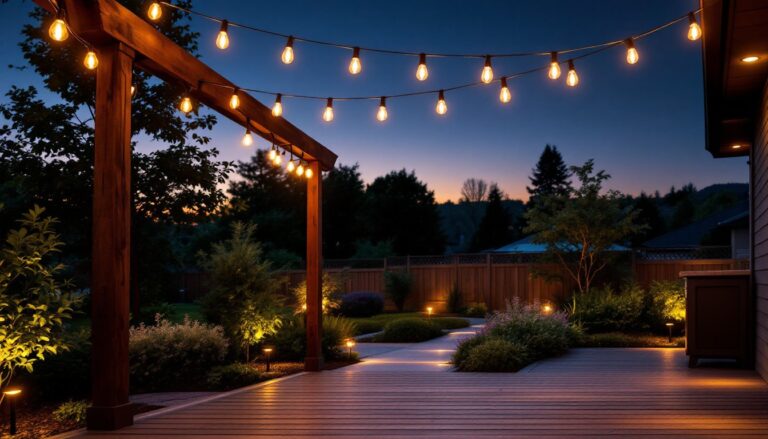
A patio border isn’t just greenery stuffed against the edge of hardscape, it’s the transition zone between your living space and the landscape beyond. Done right, patio border plantings define the space, add color and texture, and tie your outdoor room to the rest of the yard. Whether you’re starting from bare pavers or refreshing tired plantings, strategic border choices make a measurable difference in how welcoming and intentional your patio feels. The following design ideas work across different climates and skill levels, focusing on plants and arrangements that earn their spot rather than just fill space.
Table of Contents
ToggleKey Takeaways
- Patio border planting ideas work best with tiered heights—tall background plants (3–6 feet), mid-height shrubs (18–36 inches), and short edging (6–12 inches)—to create visual depth and intentional design rather than random greenery.
- Choose a complementary color scheme such as monochromatic whites, complementary color wheel pairs (purples with yellows), or warm versus cool tones to unify your patio with its surroundings and maximize visual impact.
- Match plants to your patio’s light conditions and USDA hardiness zone before purchasing; full-sun areas suit ornamental grasses and sedums, while part-shade zones benefit from hostas and hellebores.
- Use soft edging with cascading plants like creeping thyme or trailing sedums to blur the patio-planting transition, or structured edging with compact plants for a clean, modern boundary.
- Layer bloom times and foliage interest—spring bloomers, summer mainstays, and fall performers—plus evergreens ensure year-round appeal and support for wildlife.
- Reduce maintenance by planting densely with organic mulch, selecting drought-tolerant plants grouped by water needs, and choosing self-cleaning varieties that thrive with minimal deadheading.
Create Dimension With Tiered Height Borders
Flat borders disappear. Layered ones draw the eye and create visual rhythm. The traditional approach uses three tiers: tall background plants (3–6 feet), mid-height specimens (18–36 inches), and short groundcovers or edging (6–12 inches) in front.
Start with a tall anchor plant, ornamental grasses like Karl Foerster feather reed grass or an upright shrub such as Emerald Green arborvitae work well along northern and mid-range patios. These don’t crowd the space: they provide structure without creating a wall. Plant them 3–4 feet apart so air and sight lines remain open.
For the middle layer, choose branching shrubs or spreading perennials. Dwarf lilacs, butterfly bushes, or coneflowers fill this zone without overwhelming the front edge. Space them roughly 24 inches on center.
The front edge anchors the composition. Sedums, ornamental thyme, lamb’s ear, or catmint create soft definition without blocking views. This layering makes the border feel intentional rather than random, and it gives you depth even on a small patio.
Choose Complementary Color Schemes for Visual Impact
Color is the fastest way to either unify or clash with your patio. A coherent scheme doesn’t mean monocolor, it means intentional pairing. Three popular approaches suit DIY plantings:
Monochromatic schemes stick to one color family: whites and creams, purples and blues, or warm reds and oranges. A white-heavy border (white flowering shrubs, silver-leaved plants, white variegated foliage) feels clean and spacious. This approach is forgiving because everything harmonizes.
Complementary schemes pair opposite color wheel partners, purples with yellows, or blues with oranges. Purple smoke bush next to yellow daylilies, or blue spiraea with orange daylilies, creates dynamic contrast. Use one color as the dominant backdrop and the other as accent pops.
Warm versus cool tones work everywhere. A warm-toned border (copper foliage, rust-colored flowers, golden shrubs) feels intimate and cozy. A cool-toned border (silver-gray leaves, blue flowers, white accents) feels open and restful. Consider your patio’s materials and your furniture colors when choosing: the border should echo and enhance, not fight them.
Consider that foliage color lasts longer than flowers. A border anchored by reliable leaf tones, burgundy coral bells, golden robinia, silvery artemisia, stays interesting even when blooms fade.
Select Plants By Sunlight and Climate Conditions
The fastest way to kill a border is planting sun-lovers in shade or vice versa. Before buying anything, map your patio’s light. Full sun means 6+ hours of direct sunlight daily. Part sun or part shade means 3–6 hours, often mid-morning or late-afternoon light. Full shade means less than 3 hours of direct light.
For full-sun patios, ornamental grasses, sedums, coneflowers, and roses thrive. Avoid fussy shade plants here, they’ll sulk and thin out. Dry, sunny borders benefit from drought-tolerant selections: Russian sage, catmint, salvia, and gaura. These typically need water during establishment but become independent once rooted.
For part-shade zones, hostas, coral bells, hellebores, and shade-tolerant shrubs like boxwood or viburnum excel. Many perennials marketed as shade plants actually prefer dappled afternoon light rather than total darkness.
Full-shade borders are trickier but workable. Ferns, Japanese forest grass, hellebores, and broadleaf evergreens fill these spaces well. Focus on foliage texture and form since flowering options thin out.
Climate zones (USDA hardiness maps) determine survival. A beautiful plant that doesn’t survive winter is wasted money and effort. Check plant tags and your local zone before purchasing. Annuals sidestep zone issues but require yearly replacement, fine for accents, less practical for structure plants.
Define Edges With Ground Covers and Edging Plants
The patio edge is where the border meets hardscape, and how you handle it shapes the entire composition. Soft edging uses cascading or spreading plants that blur the line between patio and planting. Creeping thyme, trailing sedums, or spilling catmint soften hard edges and invite the eye to move from pavers into the border. These plants tolerate some foot traffic and create a welcoming transition.
Structured edging uses compact, tidy plants (dwarf boxwood, compact spiraea, or low-growing junipers) or hardscape materials like metal or stone to define a clean boundary. This approach suits modern or contemporary patios and makes edging maintenance simpler, no stray growth spilling onto pavers.
Planting depth matters too. Typically, taller perennials and shrubs sit 18–24 inches back from the patio edge, giving ground covers and edging plants their own zone directly against the hardscape. This prevents taller plants from shading out delicate edging flora and keeps the visual progression clear.
Consider foot traffic patterns. Areas where people walk around the patio corner or between planter locations benefit from tougher ground covers. Seating areas can host more delicate, showy plants since they’re less apt to be stepped on.
Incorporate Seasonal Interest and Year-Round Appeal
A border that peaks in June and fades to brown by August is hard to enjoy all summer. Layering bloom times and selecting plants with extended interest keeps the space alive from spring through winter.
Spring bloomers (hellebores, creeping phlox, bleeding heart) emerge early and signal the season’s shift. Summer mainstays (coneflowers, black-eyed Susans, ornamental grasses, hydrangeas) carry the color load and handle heat and humidity. Fall performers (asters, Russian sage, sedum, ornamental grasses) extend visual interest into cooling months.
Foliage interest bridges bloom gaps. Hostas unfurl in spring, remain lush through summer, and turn gold in fall. Ornamental grasses peak in late summer and hold their form and color through winter. Coral bells provide year-round burgundy, copper, or golden tones. Evergreen shrubs and conifers anchor the border and prevent bare-branch sadness in dormant months.
Birds, pollinators, and wildlife reward borders with structure and seed heads left standing. Dead-heading blooms extends bloom time for some plants, but leaving seed heads on coneflowers, grasses, and sedums feeds birds and extends visual interest into late fall. This dual benefit, wildlife support and design advantage, makes leaving some plants standing a smart move rather than a cleanup shortcut.
In cold climates, selecting a mix of deciduous and evergreen plants ensures the border doesn’t collapse visually when leaves drop. Northern gardeners benefit from winter interest plantings featuring conifers, dogwood stems, and ornamental grass skeletons.
Design Low-Maintenance Borders for Busy Homeowners
High-maintenance borders feel like a chore, not an asset. Busy homeowners thrive with designs that minimize fussing and maximize self-sufficiency once established.
Plant density and mulch matter more than most realize. Borders packed with plants leave little room for weeds: wide-open spaces require constant weeding. Use organic mulch (2–3 inches deep, wood chips or shredded bark) to suppress weeds, moderate soil temperature, and reduce watering needs. Refresh mulch annually since it breaks down.
Drought-tolerant plant selections cut water demands significantly. Once established (typically after the first season), drought-adapted plants like ornamental grasses, sedums, salvias, catmint, and Russian sage thrive on rainfall alone in most climates. Grouping plants by water needs, wet-lovers together, drought-tolerant types in another zone, prevents overwatering some and underwatering others.
Self-cleaning or non-deadheading varieties save pruning time. Many modern shrubs and perennials hold their spent blooms neatly and don’t require obsessive deadheading to look respectable. Confirm this trait on plant tags or nursery descriptions.
Avoid pest magnets where possible. Some plants (certain roses, dogwoods, and ornamental cherries) attract pests and disease reliably. Consulting gardening guides for your region identifies known troublemakers and local problem-solvers in your zone.
Boundary planting provides structure, so establishing it correctly reduces ongoing needs. Proper spacing, soil preparation, and initial watering during the first growing season set the stage for low-maintenance success. Rushing this foundation work guarantees future frustration.
Conclusion
A well-designed patio border transforms a hard outdoor room into a cohesive, inviting landscape. Start with dimension through tiered heights, build in visual harmony through color, and anchor everything with plant selections suited to your light and climate. Edge thoughtfully, layer seasons, and choose low-fuss plants that reward your effort rather than demand it. Your patio border isn’t busywork, it’s the finishing touch that makes the space feel intentional and alive. Sketch your ideas, observe your light patterns, and plant with confidence. The results speak for themselves.