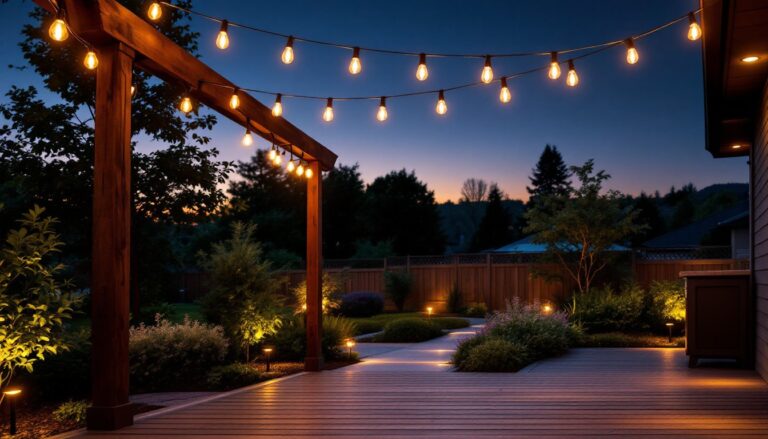
A painted deck can completely transform your outdoor living space, think of it as the fifth wall of your home. Instead of leaving weathered wood untreated, a fresh coat of deck paint adds color, personality, and an extra layer of protection against UV rays and moisture. Whether you’re drawn to classic solid colors or want to make a bold statement with geometric patterns, painted deck ideas have evolved far beyond basic gray or brown. This guide walks you through five distinct design approaches and shows you how to prepare and apply paint for results that’ll hold up to foot traffic and seasonal weather for years.
Table of Contents
ToggleKey Takeaways
- Painted deck ideas protect your wood from UV damage, moisture, and mildew while extending the deck’s lifespan to 3-5 years per coat, making it a smart investment in both durability and family safety.
- Choose solid colors like charcoal gray or taupe for low-maintenance appeal, or go bold with geometric patterns and stenciled finishes to transform your outdoor space into a visually striking focal point.
- Proper preparation—including power washing, allowing 72 hours dry time, filling cracks, and applying primer—is essential for paint adhesion and professional-looking results that last years.
- Two-tone and multi-color combinations add depth and visual interest by contrasting deck boards with railings or trim; limit yourself to three colors maximum from the same color family for cohesive design.
- Apply two coats of exterior-grade, mildew-resistant deck paint in shade during cooler parts of the day, and always follow manufacturer drying times before allowing foot traffic for optimal durability.
- Start with a simple single-color design or accent area if you’re hesitant, then expand your painted deck project as confidence grows—your deck is always repairable with a fresh coat.
Why Paint Your Deck: Benefits Beyond Aesthetics
Painting a deck serves purposes beyond curb appeal. Quality deck paint creates a protective barrier that shields the wood from UV damage, moisture penetration, and mildew growth. Without this layer, exposed wood splits, fades, and becomes a breeding ground for rot and fungal issues, problems that cost far more to fix than an annual paint refresh.
Paint also extends the life of your deck surface dramatically. A well-maintained painted deck can last 3 to 5 years per coat, while unpainted wood deteriorates much faster, especially in humid climates or areas with significant sun exposure. Also, painted finishes improve safety by providing better traction (when using textured deck paint formulas) compared to smooth, weathered wood that becomes slippery when wet. From a practical standpoint, you’re not just improving how your deck looks, you’re investing in structural longevity and family safety.
Classic Solid Colors for Timeless Appeal
Solid colors remain the most popular deck paint choice for good reason: they’re forgiving, versatile, and work with virtually any home exterior. Charcoal gray and warm taupe have become contemporary favorites because they hide dirt and algae stains better than lighter hues, reducing the appearance of maintenance issues between cleanings. These neutral tones also pair well with both modern minimalist and traditional home styles.
Darker colors like navy or deep forest green create a sophisticated backdrop for container plants and outdoor furniture without overwhelming the space. If you prefer lighter palettes, cream and soft sage offer subtle elegance while remaining practical, though they’ll show footprints and debris more readily than darker options. When selecting a solid color, consider how much direct sunlight your deck receives. Lighter colors reflect heat and stay cooler underfoot, while darker shades absorb warmth and may feel uncomfortable during summer months. Always choose exterior-grade deck paint labeled for horizontal surfaces: interior or fence paint won’t hold up to the constant traffic and weather exposure your deck endures.
Geometric Patterns and Bold Designs
Geometric patterns transform a deck from functional to visually striking. Diagonal stripes create the illusion of expanded space and add dynamic energy, while checkerboard layouts (typically in two complementary colors) deliver a classic, almost nautical feel. To execute these designs accurately, snap chalk lines to map your pattern before painting, then use painter’s tape to create clean edges between color sections.
For diagonal stripes, work with the deck board direction and calculate angle lines using a speed square or layout square, measurements vary depending on your board width and desired stripe angle. Keep stripes between 4 to 8 inches wide for visual balance: anything narrower becomes tedious to tape and paint, while wider stripes can look clumsy on typical residential decks. Apply the base color first, allow full cure time (check your paint’s drying specs, usually 48 to 72 hours), then apply stripes. Remove tape while paint is tacky but not fully dry to avoid peeling the edges. Patterns like these require patience and precision, but the result commands attention and makes your outdoor space feel intentional and designed, not accidental. Ensure both colors are the same type and sheen level for uniform durability.
Stenciled and Artistic Finishes
Stenciling opens creative possibilities for homeowners who want personalized artwork without hiring a muralist. Floral motifs, geometric borders, and medallion patterns work beautifully as repeating elements along deck edges or in corner zones. Purchase plastic or mylar stencils (more durable than paper) from home improvement stores, or design and cut custom stencils from vinyl sheets if you’re comfortable with a craft knife and measuring.
Position stencils carefully with a level and chalk marks: even slight shifts create misaligned repeats that catch the eye. Use a foam roller or stippling brush rather than a full paintbrush to apply paint through the stencil, this method prevents paint from bleeding under edges and delivers even coverage without drips. Apply thin, multiple coats of paint through the stencil rather than one thick coat: patience pays off with crisp, professional-looking details. Artistic finishes like these work best as accents (a border 2 to 3 feet wide around the deck perimeter, or concentrated in a feature area) rather than covering the entire surface, which becomes visually exhausting. Many homeowners combine stencil work with a neutral base color for a curated, gallery-like aesthetic. Artistic decks require more frequent touch-ups since stencil work highlights wear patterns, but the visual payoff is worth the maintenance commitment.
Two-Tone and Multi-Color Combinations
Two-tone decks are experiencing a resurgence because they add depth and visual interest without the commitment of all-over patterns. A common approach involves painting deck boards one color while stair risers, railings, or trim receive a contrasting shade. This strategy draws the eye upward and creates distinct zones within the space. Deep sage paired with cream trim and charcoal with warm bronze accents are combinations that feel intentional rather than random.
Multi-color schemes work best when you limit yourself to three colors maximum and choose hues from the same color family or complementary palette, think blues and grays, or warm earth tones like terracotta and sand. Avoid high-contrast rainbow effects unless your home’s exterior and landscape clearly support that direction. Paint deck boards, stairs, and trim in separate colors to enhance architectural features and create natural visual breaks. Always apply colors to fully cured base coats to prevent color bleed and ensure proper adhesion. When planning multi-color decks, professional DIY sites showcase numerous color combination examples that can inspire your specific design. Test paint samples on inconspicuous sections of your deck first, then assess them at different times of day and in various lighting conditions before committing to full coverage.
Preparation and Application Tips for Long-Lasting Results
Preparation determines whether your paint adheres, lasts, and looks professional. Start by power washing the deck at 1500 to 2500 PSI to remove algae, mildew, dirt, and peeling paint. Keep the nozzle moving and maintain distance to avoid splintering wood or creating divots. Allow the deck to dry completely, at least 72 hours in dry conditions, before painting. Moisture under fresh paint causes adhesion failure and peeling within months.
Fill any visible cracks or gaps with exterior-grade wood filler, sand rough spots smooth with 120 to 150-grit sandpaper, and inspect for rot. Soft, spongey wood indicates decay that requires professional repair before painting. Apply primer on bare wood, stained sections, or any areas where previous paint failed or peeled, this extra step prevents paint from sitting unevenly and enhances topcoat adhesion. Use exterior-grade, mildew-resistant deck paint specifically labeled for horizontal surfaces and foot traffic. Epoxy-based and acrylic latex formulas both work: epoxy offers superior durability (5+ years), while acrylic latex is easier to clean and recoat.
Apply paint in thin, even coats using a roller, brush, or sprayer, depending on surface complexity and pattern requirements. Two coats provide adequate coverage: a third coat improves durability on high-traffic areas. Paint in shade or during cooler parts of the day to avoid lap marks, and follow your paint manufacturer’s specific drying times before foot traffic. Resources like design-focused home blogs offer step-by-step tutorial galleries for various painting techniques. Avoid painting in rain, high humidity, or temperatures below 50°F, as these conditions compromise cure and adhesion. Plan your project for late spring or early fall when weather cooperates and allows adequate drying time before winter or intense summer use.
Conclusion
Painted deck ideas range from understated solids to eye-catching geometric patterns, offering something for every style preference. The key is choosing a design that complements your home’s character, then executing proper surface preparation and using quality materials. With thoughtful color selection, thorough prep work, and patience during application, your painted deck will deliver years of visual impact and structural protection. Start small with a single color or accent area if you’re nervous about commitment, then expand your design as confidence grows, your deck is always repairable with a fresh coat.